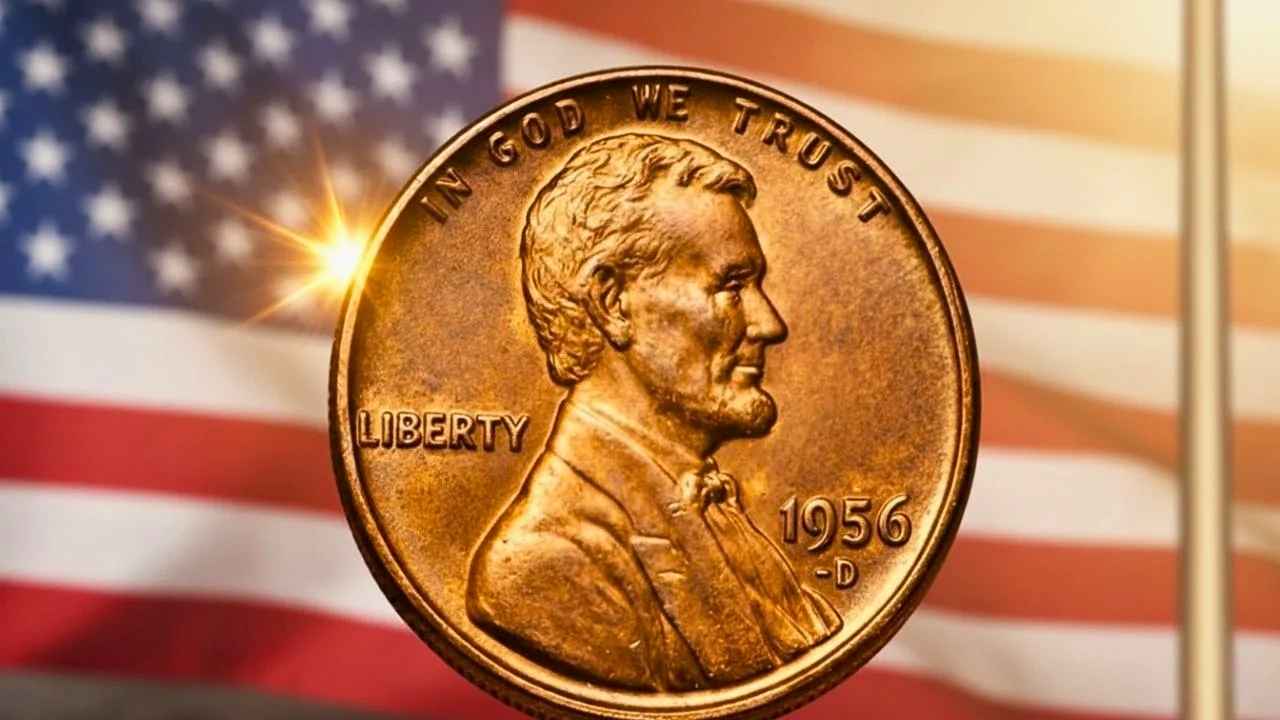
Coin collecting has always been a fascinating blend of history, rarity, and investment. Every so often, a story emerges that captures the imagination of collectors and the general public alike. In 2026, reports of a rare Lincoln Wheat Penny valued at an astonishing $2.2 billion still circulating in U.S. currency have sparked widespread interest. While most pennies are worth only a cent, this extraordinary coin demonstrates how rarity and historical significance can transform everyday currency into a priceless treasure.
The History of the Lincoln Wheat Penny
The Lincoln Wheat Penny was first introduced in 1909 to commemorate the centennial of Abraham Lincoln’s birth. Designed by Victor David Brenner, the coin features Lincoln’s portrait on the obverse and two wheat stalks framing the denomination on the reverse. Produced until 1958, the Wheat Penny remains one of the most iconic coins in American numismatics. Its design, historical importance, and variations have made it a favorite among collectors for more than a century.

Why Some Wheat Pennies Are Valuable
Most Wheat Pennies are common and circulate at face value. However, certain varieties are incredibly rare and command extraordinary prices. Factors that drive value include limited mintages, unique errors, and pristine condition. Coins struck at specific mints or during particular years can be especially valuable. When rarity combines with demand, values can skyrocket, turning a simple penny into a multimillion‑dollar collectible.
The $2.2 Billion Claim
The story of a Lincoln Wheat Penny valued at $2.2 billion has captured headlines in 2026. While such a valuation is unprecedented, it reflects the fascination surrounding rare coins and their potential worth. Collectors and enthusiasts debate the authenticity and circumstances of such claims, but the excitement underscores the enduring appeal of numismatics. Even if exaggerated, the idea of a penny worth billions highlights the importance of vigilance and knowledge in coin collecting.
Collector’s Perspective
For seasoned collectors, the story reinforces the thrill of the hunt. Rare coins have been discovered in circulation before, often by individuals who took the time to examine their change carefully. The possibility of finding a valuable coin in everyday transactions adds excitement to the hobby. Collectors emphasize patience, research, and attention to detail as essential tools for identifying treasures among ordinary coins.
Investment Potential
Rare coins are more than collectibles; they are investment assets. With values reaching millions or even billions in reported cases, coins represent tangible wealth that can appreciate over time. Investors are increasingly drawn to numismatics as a way to diversify portfolios. Unlike stocks or bonds, coins carry historical and cultural significance, making them appealing to a wide range of buyers. The Wheat Penny story highlights the potential of coins as both treasures and investments.
How to Spot Rare Coins
For those inspired by the story, spotting rare coins requires knowledge and careful observation. Checking mint marks, examining dates, and looking for unusual features are essential steps. Coins from certain years, such as the 1909‑S VDB or the 1943 copper Wheat Penny, are especially valuable. Using magnification tools and consulting reference guides can help identify rare varieties. Even casual collectors can benefit from learning the basics, as knowledge increases the chances of recognizing a valuable coin in circulation.
Market Trends in 2026
The coin market in 2026 shows strong interest in rare American coins. Auction houses report record‑breaking sales, and private collectors are competing for unique pieces. Online platforms have expanded access, allowing enthusiasts worldwide to trade and share information. The story of a $2.2 billion Wheat Penny has further fueled excitement, encouraging more people to examine their change and explore coin collecting. As demand grows, values are expected to remain strong, especially for historically significant coins like the Wheat Penny.

Key Highlights
- Lincoln Wheat Penny introduced in 1909 to honor Abraham Lincoln
- Rare varieties and mint errors can be worth millions or more
- Reports in 2026 claim a Wheat Penny valued at $2.2 billion still circulates
- Condition, rarity, and historical significance drive coin values
- Collectors emphasize vigilance and knowledge in spotting rare coins
- Rare coins are increasingly seen as investment assets
- Market trends show strong demand and rising values
Final Words
The story of a Lincoln Wheat Penny worth $2.2 billion still circulating in U.S. currency is a reminder of the extraordinary potential hidden in everyday change. Whether fact or legend, it inspires collectors and casual observers to look more closely at the coins they encounter. For collectors, it reinforces the thrill of discovery and the importance of knowledge. For investors, it highlights the enduring value of rare coins as tangible assets. As the coin market continues to grow in 2026, the Wheat Penny stands as a symbol of rarity, history, and opportunity. Treasures may be closer than we think, waiting to be recognized in the most ordinary places.