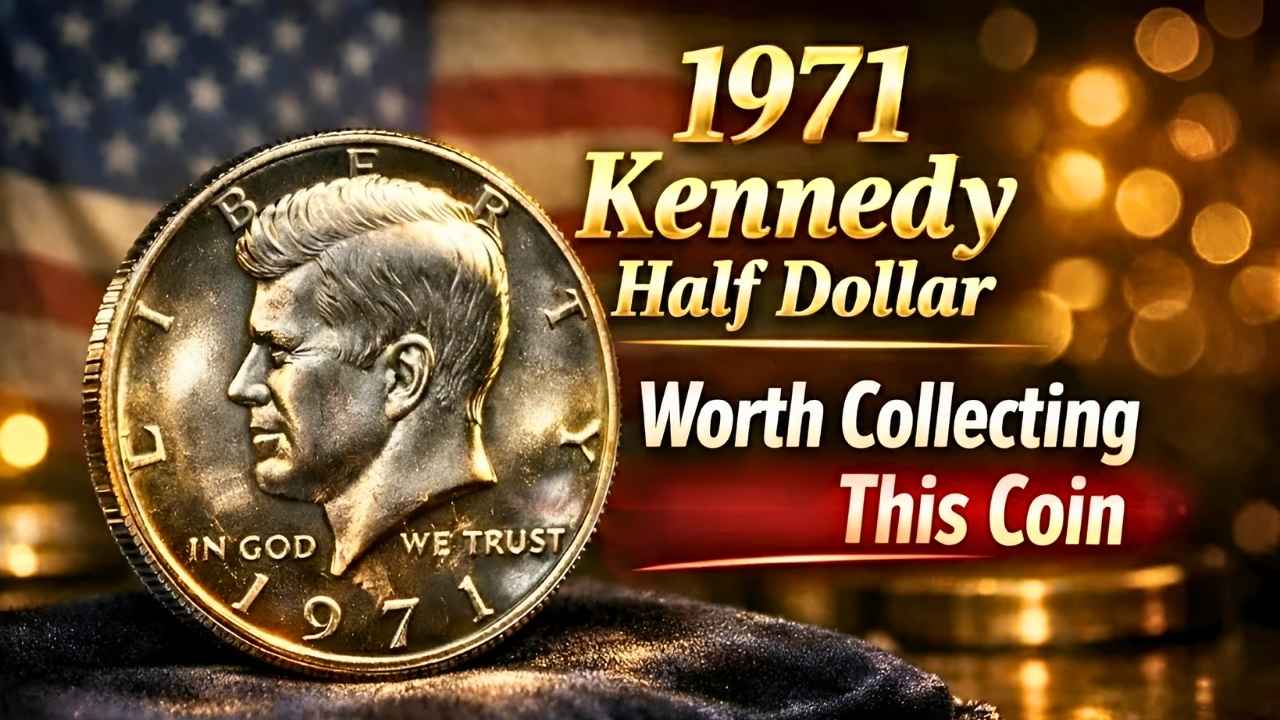
The Kennedy Half Dollar is one of the most beloved coins in American numismatics. First struck in 1964 to honor President John F. Kennedy after his assassination, the coin quickly became a symbol of national pride. By 1971, the series had already undergone significant changes, including the removal of silver from circulation strikes. Despite these changes, the 1971 Kennedy Half Dollar remains a classic that collectors continue to admire. This guide explores the history, design, values, and reasons why collectors still treasure this coin more than fifty years after its release.
History of the Kennedy Half Dollar
The Kennedy Half Dollar was introduced in 1964, replacing the Franklin Half Dollar. The coin was designed by Gilroy Roberts (obverse) and Frank Gasparro (reverse). Initially, the coin contained 90 percent silver, but by 1971, the composition had changed to copper‑nickel clad for circulation strikes. This shift reflected broader changes in U.S. coinage as silver was phased out of most denominations.
Design Features
- Obverse: Portrait of President John F. Kennedy.
- Reverse: The Presidential Seal, featuring an eagle with a shield, olive branch, and arrows.
- Mint Marks: P (Philadelphia), D (Denver), S (San Francisco).
- Composition: Copper‑nickel clad for circulation, with silver proofs available in collector sets.
Why the 1971 Kennedy Half Dollar Is Special
The 1971 issue marked the first year that circulation strikes were produced without silver. This makes it historically significant as a turning point in U.S. coinage. Collectors value the coin not only for its connection to President Kennedy but also for its role in the transition from silver to clad coinage.
Rare Varieties and Errors
1971-D Double Die Obverse
Some Denver‑minted coins show doubling in the date and lettering. These are rare and can be worth hundreds.
1971-S Proof Coins
San Francisco produced proof coins, including silver‑clad versions. High‑grade examples are especially collectible.
Off‑Center Strikes
Coins struck off‑center are visually striking and highly prized by collectors.
Wrong Planchet Errors
Extremely rare, these occur when a Kennedy Half Dollar is struck on a blank meant for another denomination.
Value Chart
| Coin Type | Description | Approximate Value Range |
|---|---|---|
| Circulation Strike | Common issue | $0.50 – $2 |
| 1971-D Double Die | Doubling in design | $100 – $500 |
| 1971-S Proof | Collector issue | $5 – $50 |
| 1971-S Silver Proof | Limited edition | $25 – $200 |
| Off‑Center Strike | Misaligned design | $200 – $1,000 |
| Wrong Planchet | Struck on dime/nickel blank | $1,000 – $5,000+ |
Collecting Tips
- Check mint marks carefully, as they can affect value.
- Proof and silver issues are more valuable than circulation strikes.
- Use magnification to spot doubling or misalignments.
- Store coins in protective holders to preserve condition.
- Consider professional grading to authenticate rare varieties.
Key Highlights
- The 1971 Kennedy Half Dollar marked the first year without silver in circulation strikes.
- Rare varieties include double dies, proof issues, and wrong planchet errors.
- Proof and silver‑clad coins from San Francisco are especially prized.
- Condition and rarity are the most important factors in determining value.
- Collectors treasure the coin for its historical significance and connection to President Kennedy.
Final Words
The 1971 Kennedy Half Dollar is more than just a piece of currency; it is a symbol of American history and a tribute to one of the nation’s most beloved presidents. While most examples are worth only modest amounts, rare varieties and high‑grade coins can be worth hundreds or even thousands. For collectors, the Kennedy Half Dollar offers both historical significance and the excitement of discovering hidden treasures. Whether you are just beginning your coin collecting journey or are an experienced numismatist, the 1971 Kennedy Half Dollar remains a classic coin that continues to inspire admiration in 2026 and beyond.